Shandong Jilu Automobile Modification Co., Ltd.


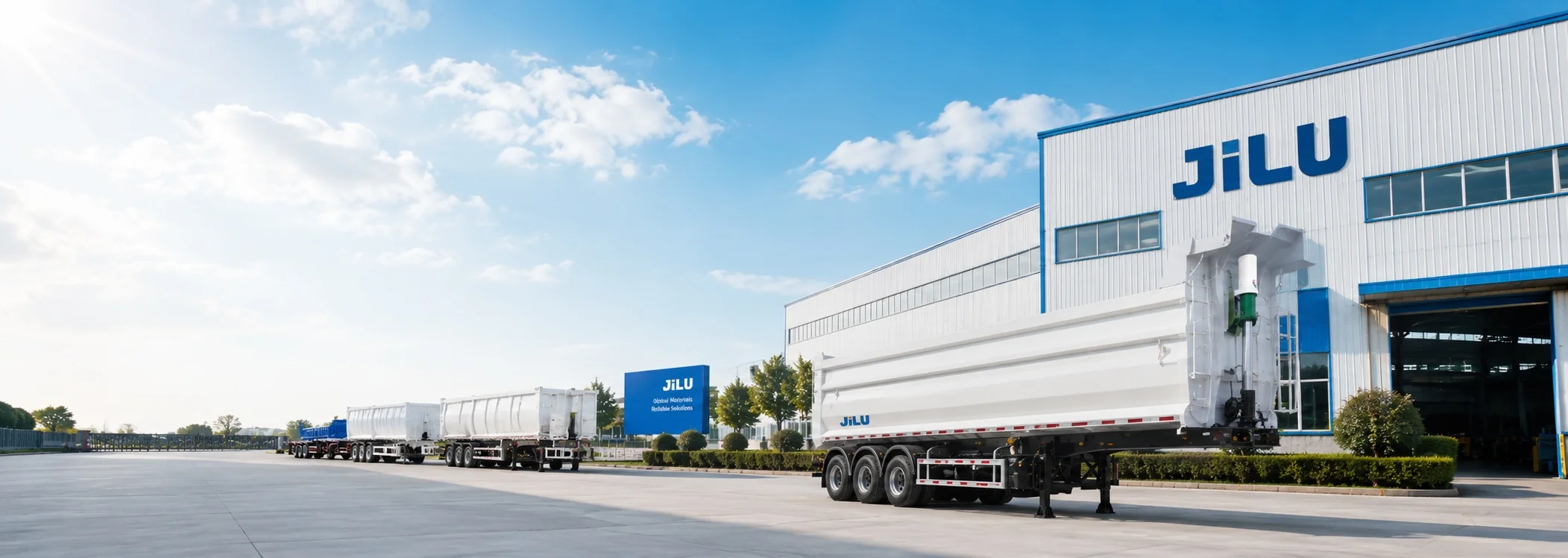
U-Shaped Bulk Grain Semi-Trailer Design Explained
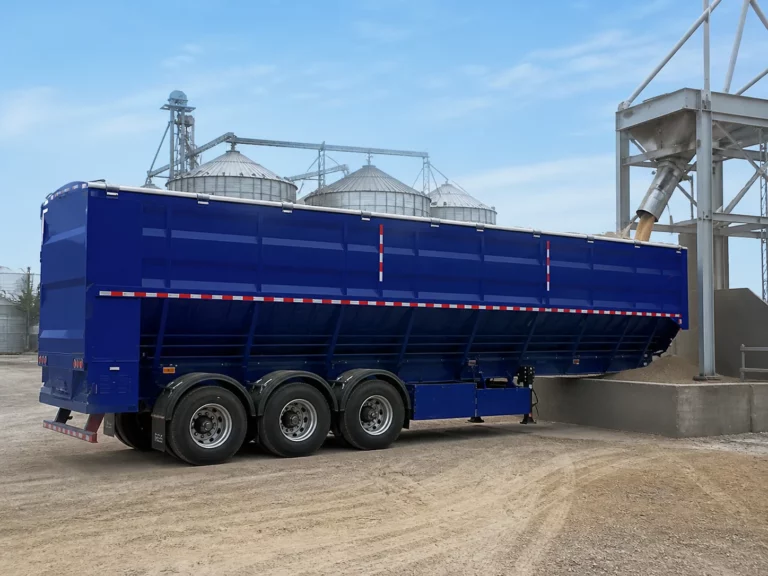
A U-shaped bulk grain semi-trailer is not simply a standard trailer with a different visual profile. Body geometry influences internal volume, side-panel behavior, cargo position, and the way material moves toward the rear interface. Buyers should evaluate these relationships before comparing price or selecting a model.
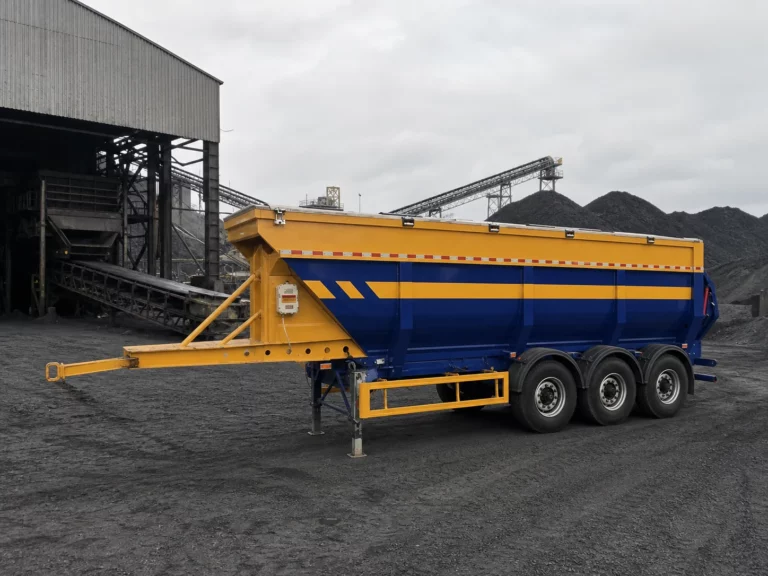
The published PG9401ZLSA information describes a U-shaped body that, under the same specifications, increases internal volume by 10.5%, reduces body weight by 1.3%, and lowers the cargo center of gravity. It also identifies folded side panels, an integrated main beam, a rear funnel structure, a rearward motor position, and a rear-door locking mechanism. These statements apply to the published model comparison and should not be generalized to every U-shaped trailer.
How U-Shaped Geometry Changes the Design Review
In a conventional rectangular body, side walls and floor geometry define how load is carried and how material flows. A U-shaped body changes the transition between the floor and side panels. For bulk grain, this can influence usable internal space and reduce corners where material may remain.
However, the practical result depends on the complete body dimensions and unloading method. Buyers should request a cross-section drawing showing the internal profile, conveyor or discharge zone, side-wall height, top opening, and body volume calculation. Without this drawing, it is difficult to compare two trailers described with the same general term.
Published Volume and Weight Changes Need a Common Baseline
The source page reports a 10.5% increase in internal volume and a 1.3% reduction in body weight under the same specifications. The phrase “under the same specifications” is important. Percentage comparisons are meaningful only when length, width, material grade, axle configuration, and measurement method are aligned.
Ask the supplier to identify the baseline used for comparison and provide the final declared dimensions and tare weight. A higher body volume may benefit low-density cargo, but legal payload remains subject to completed vehicle weight and local axle limits.
Folded Side Panels and Integrated Main Beam
The PG9401ZLSA description states that multiple bends in the side panels increase side-panel strength. It also identifies an integrated main-beam design intended to improve load-bearing performance.
For procurement, the useful questions are specific: What plate thickness and material grade are used? Where are the primary welds? How are the side panels supported? How is the main beam connected to the body and running gear? The public page does not provide those details, so they should be confirmed from production drawings and the final technical specification.
Cargo Center of Gravity and Motor Position
The source information states that moving the motor rearward shifts the cargo center of gravity toward the rear and improves stability while carrying cargo. This statement should be reviewed together with axle loading and tractor coupling.
Moving one component does not define the complete load distribution. The buyer should request axle-load calculations or approved configuration data for the intended payload. Cargo density, fill level, and uneven loading can change real operating conditions.
Rear Funnel and Door Locking for Operational Coordination
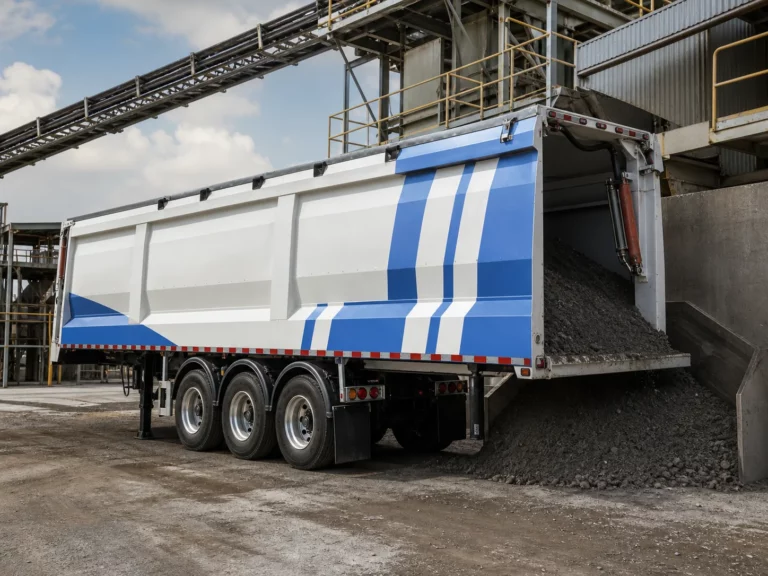
A funnel structure at the tail is described as making it easier to work with other equipment. This may be useful when the trailer discharges into a conveyor, hopper, or processing line. The receiving opening, discharge height, alignment tolerance, and required flow rate should be documented before the rear structure is finalized.
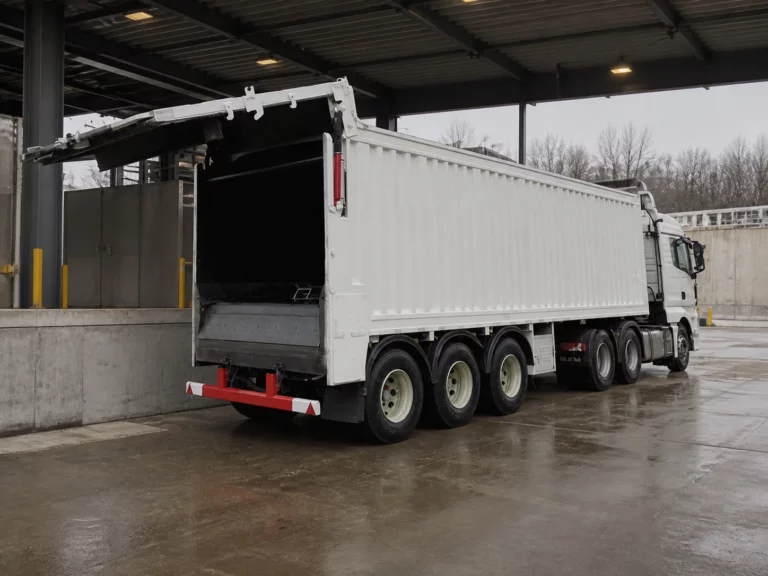
The published design also adds a rear-door locking mechanism. Buyers should confirm how the door is opened, how the lock status is indicated, and what inspection is required before travel and unloading.
What Buyers Should Include in an Inquiry
- Grain or bulk material type and approximate density
- Required payload and body volume
- Maximum legal vehicle dimensions and axle limits
- Loading method and top-clearance conditions
- Receiving equipment and discharge height
- Preferred tractor and coupling details
- Expected routes, road conditions, and daily cycles
A drawing or site photograph is particularly useful when the rear funnel must align with existing equipment.
Do Not Use Volume Percentage as the Only Decision
A volume increase can be valuable for low-density grain, yet body shape also affects cleaning, access, load distribution, and the receiving interface. Compare the completed trailer using actual cargo density and permitted road weight. This prevents a percentage improvement from being treated as a guaranteed payload increase.
Frequently Asked Questions
Does every U-shaped trailer provide 10.5% more volume?
No. That figure is published for the PG9401ZLSA comparison under the same specifications. Different body dimensions and designs will produce different results.
Why are bends added to the side panels?
The product page states that multiple bends increase side-panel strength. Final structural performance depends on plate material, thickness, forming process, welding, and the full body design.
What is the purpose of the rear funnel?
It is described as helping the trailer work with other machines. The actual interface should be checked against the receiving hopper or conveyor.
Is a lower cargo center of gravity guaranteed at every load?
The published page reports a lower center of gravity for the model design. Actual load distribution varies with cargo density, fill level, and operating condition and should be verified for the intended configuration.
Conclusion
The value of a U-shaped bulk grain semi-trailer comes from the relationship between body geometry, structure, load distribution, and the discharge interface. The PG9401ZLSA provides a documented reference with a U-shaped body, folded side panels, integrated beam, rear funnel, rearward motor position, and door lock. Buyers should confirm the comparison baseline and obtain final drawings before ordering. For company background, visit About Us; for a model review based on actual cargo and site data, use the Contact Us page.