Shandong Jilu Automobile Modification Co., Ltd.


Low Deck Conveyor Unloading Trailer for Coal Transport
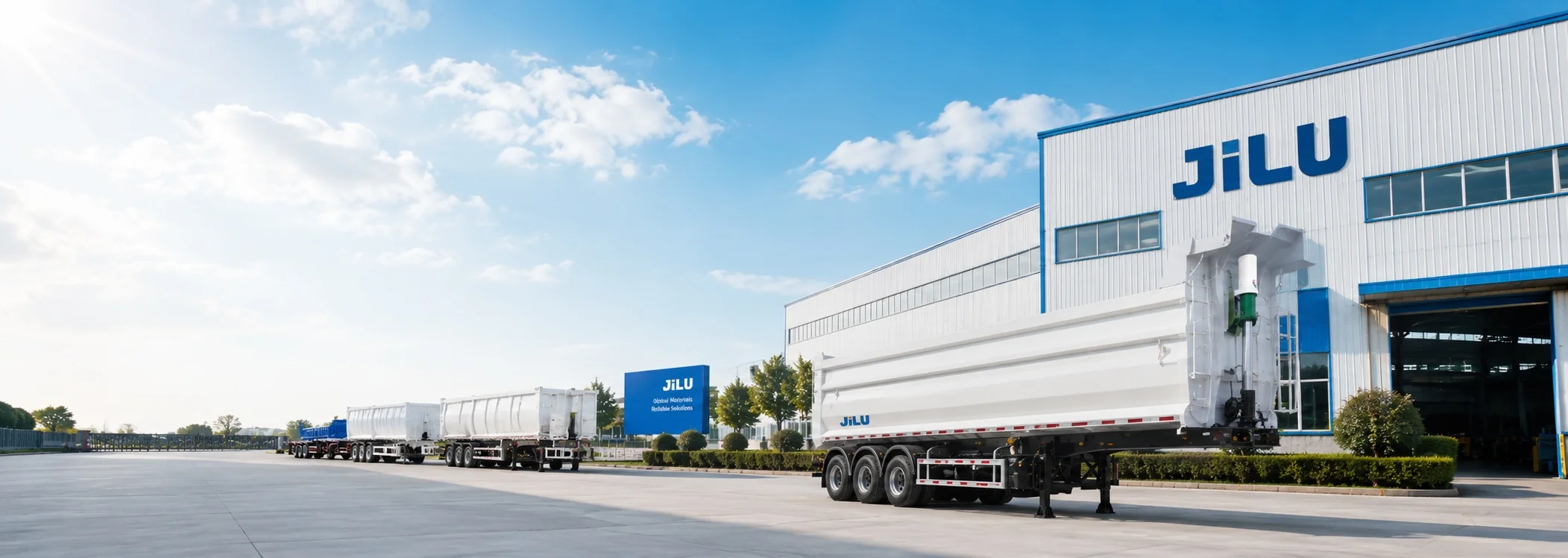
For coal and other bulk-material operations, trailer height influences more than appearance. It affects the cargo center of gravity, the relationship between the discharge point and receiving equipment, and the way the vehicle moves through a loading yard. A low deck conveyor unloading trailer should therefore be evaluated as part of the complete site workflow.
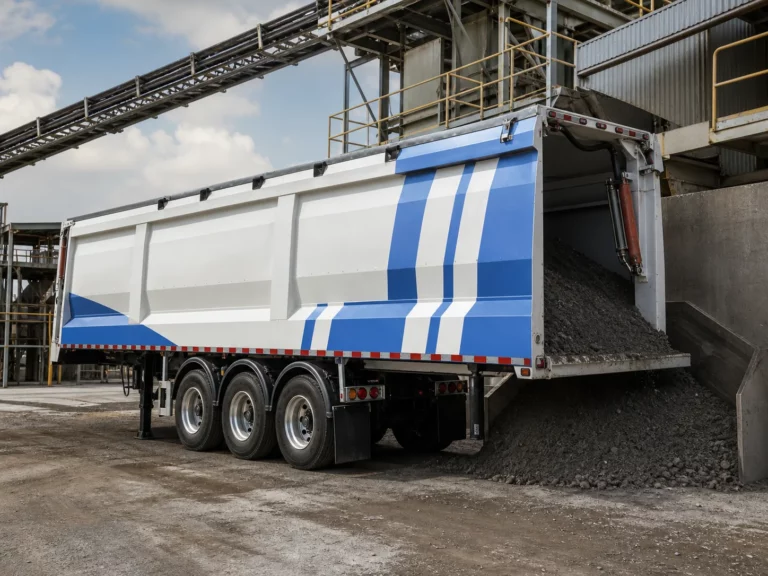
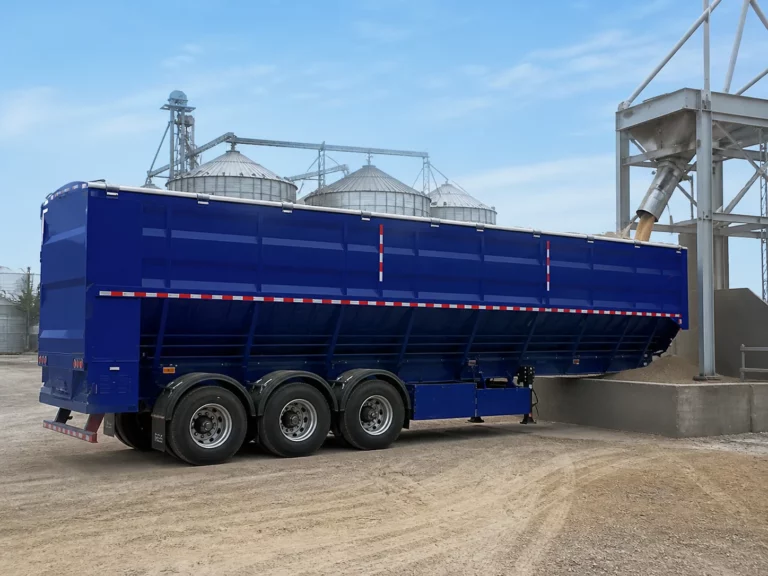
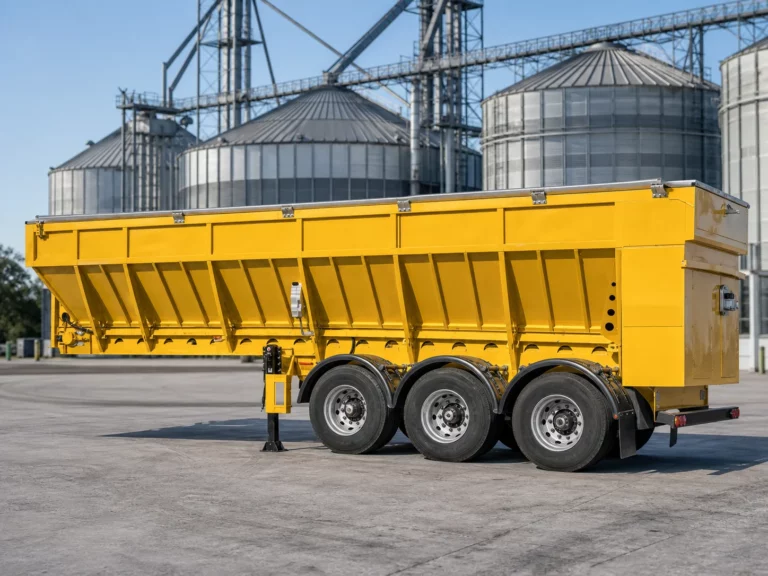
The PG9405ZLSA product page describes a low flat-frame conveyor-unloading design with a compact structure, high-strength plates, remote operation, camera observation, hydraulic opening of the tailgate and top cover, and a segmented belt. The same page states that its unloading surface is approximately 1.3 meters high and about 300 millimeters lower than an ordinary intelligent conveyor-belt unloading truck. These are model-specific published figures and should be reconfirmed for the final specification.
Why Deck Height Matters in Bulk Transport
Lowering the body and discharge surface can reduce the height of the loaded cargo mass. This may support smoother handling, but buyers should not consider center of gravity in isolation. Axle loading, suspension, tire selection, tractor geometry, road conditions, and cargo distribution remain part of the completed vehicle assessment.
A lower discharge surface may also improve alignment with a material yard or downstream conveyor. Before ordering, measure the receiving point and document any chutes, hoppers, fixed barriers, or overhead structures. A 300-millimeter difference can be useful only when it fits the real site interface.
Compact Structure Versus Working Volume
The source page describes the PG9405ZLSA as more compact, lighter, and larger in volume than an ordinary conveyor transport vehicle of a comparable application. It does not provide a complete dimensional or weight table on the public page. Buyers should therefore request the declared body dimensions, tare weight, axle arrangement, and permitted payload for the exact configuration.
When comparing two quotations, make sure the stated volume is based on the same measurement method. A larger body volume does not automatically mean that the vehicle can legally carry a heavier load. Bulk density and local road limits must also be considered.
Segmented Belt Design and Material Sealing
The PG9405ZLSA page identifies a segmented belt and describes improved sealing, reduced leakage, and easier maintenance. In a purchasing review, this should lead to detailed questions about belt construction rather than a simple yes-or-no comparison.
- How are the belt sections connected?
- Which wear components can be replaced individually?
- How is material prevented from entering inaccessible areas?
- What inspection points are available along the belt path?
- Which cargo conditions require additional cleaning?
Coal can vary in particle size, moisture, and adhesion. The supplier should review the intended material before confirming belt sealing and maintenance expectations.
Remote Operation and Camera-Based Observation
The published product description states that the driver can observe unloading through a camera in the cab and operate the system by remote control. It also describes hydraulic opening of the tailgate and top cover.
For safe and efficient workflow planning, buyers should define where the operator will stand or sit during discharge, what the camera needs to show, and how the system is stopped if the receiving area becomes blocked. The final control logic and monitoring layout should be confirmed for the ordered vehicle.
Matching the Trailer to the Material Yard
The product page states that the trailer can connect with a material yard and unload while moving. Whether that operating method is appropriate depends on the layout, traffic management, receiving capacity, and site rules. It should not be assumed for every location.
Provide a simple site drawing or photographs showing the entry route, turning area, discharge lane, downstream equipment, and available clearance. Also state whether unloading will be stationary or performed at low travel speed. This information allows the technical team to check the interface instead of relying on a generic configuration.
Buyer Checklist Before Technical Confirmation
- Cargo name, density, particle size, and moisture condition
- Required body volume and permitted payload
- Maximum vehicle height, width, and length
- Receiving height and downstream equipment
- Required unloading method and target cycle
- Camera, remote-control, tailgate, and cover requirements
- Cleaning and routine maintenance expectations
Common Specification Mistake
A frequent mistake is to request the published low discharge height without confirming tires, suspension, axle arrangement, and body configuration. The dimension used for project planning should come from the approved drawing for the ordered trailer. Site designers should also allow for vehicle movement and operating tolerance rather than designing an opening around one nominal number.
Frequently Asked Questions
What is the published unloading-surface height?
The PG9405ZLSA page describes an unloading surface of approximately 1.3 meters, about 300 millimeters lower than an ordinary intelligent conveyor-belt unloading truck. Confirm the final dimension on the approved vehicle drawing.
Is the low deck design suitable only for coal?
The source page presents the model as a coal transport vehicle. Suitability for another bulk material requires a separate review of flow, adhesion, density, and belt compatibility.
Does the segmented belt eliminate all leakage?
The published page describes improved sealing and no material leakage, but actual performance depends on cargo condition, wear, adjustment, and maintenance. Buyers should request technical confirmation for their material.
Can the trailer unload while moving?
The source page lists this operating capability. Its use should be confirmed against site layout, receiving capacity, local rules, and the final control configuration.
Conclusion
A low deck conveyor unloading trailer is most valuable when its geometry fits the entire coal-handling process. The PG9405ZLSA concept combines a lower flat-frame layout, segmented belt, hydraulic openings, and monitored remote operation. Buyers should validate the published dimensions, site interface, cargo characteristics, and legal operating limits before final approval. Project information can be submitted through the Contact Us page, while common communication topics are listed on the FAQs page.